
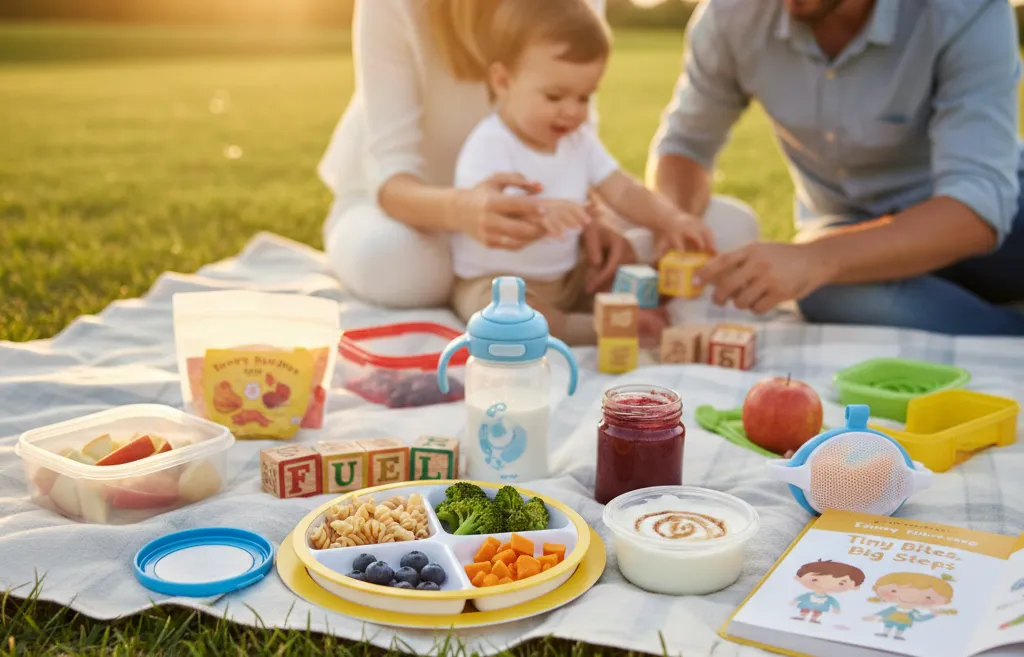
Период от 1 до 3 лет является одним из важнейших этапов в росте и развитии ребенка. В эти ранние годы дети переходят от младенчества к раннему детству, становясь более активными, любознательными и самостоятельными. Правильное питание на этом этапе играет жизненно важную роль в поддержании физического роста, развития мозга, иммунитета и формировании здоровых пищевых привычек на всю жизнь.
1. Сбалансированное и полноценное питание
Малышам необходима сбалансированная диета, включающая:
- Белки для роста мышц и тканей
- Здоровые жиры для развития мозга
- Углеводы для энергии
- Витамины и минералы для иммунитета и обмена веществ
В этом возрасте рост остается быстрым, хотя и медленнее, чем в младенчестве. Питание должно обеспечивать достаточное количество калорий и питательных веществ без избытка сахара или обработанных ингредиентов.
2. Важность полезных жиров
Полезные жиры необходимы для неврологического развития. Мозг продолжает быстро развиваться в течение первых трех лет жизни. Включите в рацион источники:
- Молочные продукты
- Растительные масла (в соответствующих количествах)
- Ореховые пасты (при отсутствии аллергии)
- Жиросодержащие молочные смеси, предназначенные для детей младшего возраста
Достаточное потребление жиров обеспечивает энергетические потребности и способствует усвоению жирорастворимых витаминов (A, D, E, K).
3. Адекватное потребление белка
Белок имеет решающее значение для роста тканей, выработки ферментов и функционирования иммунной системы. Хорошими источниками белка являются:
- Молоко и молочные продукты
- Яйца
- Постное мясо
- Рыба
- Бобовые
Однако следует избегать чрезмерного потребления белка, поскольку это может создавать излишнюю нагрузку на незрелые почки и негативно влиять на метаболическое здоровье в долгосрочной перспективе.
4. Поддержка железом и микроэлементами
Дефицит железа часто встречается у детей младшего возраста и может негативно влиять на когнитивное развитие и иммунитет.
К продуктам, богатым железом, относятся:
- Постное красное мясо
- Обогащенные злаки
- Бобовые
- Зеленые листовые овощи
В этот период также необходимы витамин D, кальций, цинк и йод. Если поступление железа с пищей недостаточно, врач может порекомендовать прием добавок.
5. Структурированный режим питания
Детям от 1 до 3 лет полезен постоянный режим питания:
- 3 основных приема пищи (завтрак, обед, ужин)
- 1–2 полезных перекуса
Регулярный режим способствует стабилизации уровня сахара в крови и предотвращает переедание. Избегайте постоянных перекусов в течение дня.
6. Поощрение самостоятельного приема пищи
Этот возраст характеризуется ростом самостоятельности. Разрешение малышам самостоятельно есть:
- Улучшает моторику
- Способствует формированию здоровых пищевых привычек
- Поддерживает регуляцию аппетита
Родители должны предлагать здоровые варианты еды, позволяя ребенку самому решать, сколько съесть.
7. Ограничение потребления сахара и переработанных продуктов.
Чрезмерное потребление сахара может привести к:
- Проблемам с зубами
- Нарушению контроля аппетита
- Повышению риска ожирения
Избегайте сладких напитков, упакованных закусок и продуктов глубокой переработки. Основными напитками должны быть вода и молоко.
8. Как справиться с избирательностью в еде
Привередливость в еде — распространенное явление в возрасте от 1 до 3 лет. К стратегиям относятся:
- Повторное предложение новых продуктов без давления
- Подача небольших порций
- Совместные семейные приемы пищи
- Избегание принудительного кормления
Колебания аппетита — это нормальное явление, обусловленное различиями в темпах роста и уровне активности.
9. Продолжение молочного питания
Хотя после года основным источником питательных веществ становится твердая пища, молоко остается важной составляющей рациона малышей. Соответствующие возрасту смеси для подрастающего возраста или обогащенные молочные продукты могут помочь удовлетворить потребности в питательных веществах, особенно у детей с избирательным аппетитом.
10. Формирование здоровых пищевых привычек на всю жизнь
Привычки в питании, сформировавшиеся в возрасте от 1 до 3 лет, часто влияют на долгосрочное пищевое поведение. Положительные впечатления от приема пищи, разнообразие в выборе продуктов и сбалансированное питание закладывают основу для здоровья на протяжении всей жизни.