
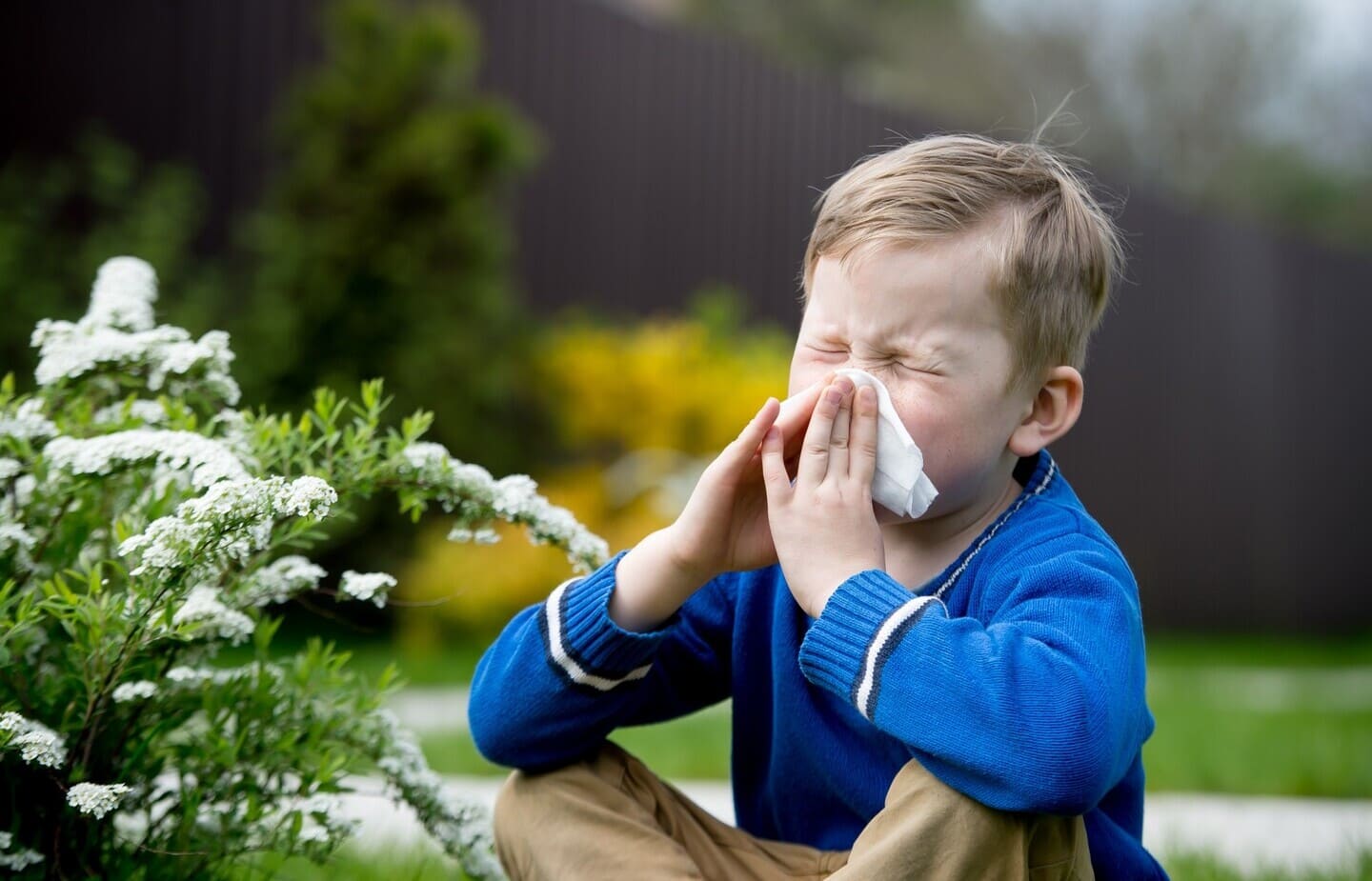
Аллергия является одним из наиболее распространенных хронических заболеваний в детском возрасте. Она возникает, когда иммунная система ребенка чрезмерно реагирует на вещества, которые обычно безвредны. Эти вещества известны как аллергены. Понимание наиболее распространенных аллергенов поможет родителям на ранней стадии распознать симптомы и принять профилактические меры.
- Пищевые аллергены
Пищевая аллергия особенно часто встречается у младенцев и детей младшего возраста. Иммунная система ошибочно идентифицирует определенные пищевые белки как вредные, вызывая реакции, которые могут варьироваться от легких до тяжелых. К наиболее распространенным пищевым аллергенам относятся:
- Коровье молоко
- Яйца
- Арахис
- Орехи (например, миндаль и грецкие орехи)
- Соя
- Пшеница
- Рыба
- Моллюски и ракообразные
Симптомы пищевой аллергии:
- Кожная сыпь или крапивница
- Отек губ, лица или век
- Рвота или диарея
- Хрипы или кашель
- В тяжелых случаях — анафилаксия
Многие дети перерастают аллергию на молоко, яйца, сою и пшеницу, но аллергия на арахис и древесные орехи чаще сохраняется на всю жизнь.
- Ингаляционные (экологические) аллергены
По мере роста детей ингаляционные аллергены становятся более частыми триггерами, особенно после первого года жизни. Общие экологические аллергены включают:
- Клещи домашней пыли
- Пыльца (деревьев, трав, сорняков)
- Споры плесени
- Перхоть и шерсть животных (кошек, собак)
Симптомы могут включать:
- Насморк или заложенность носа
- Чихание
- Зуд, слезотечение
- Хронический кашель
- Хрипы или симптомы астмы
Сезонная аллергия обычно связана с пыльцой, в то время как пылевые клещи и шерсть домашних животных могут вызывать симптомы круглый год.
- Контактные кожные аллергены
У некоторых детей развиваются аллергические реакции после прямого контакта кожи с определенными веществами. Примеры:
- Никель (в ювелирных изделиях или застежках одежды)
- Отдушки в косметике или моющих средствах
- Латекс
- Определенные виды мыла или средств по уходу за кожей
Они обычно вызывают контактный дерматит, который характеризуется покраснением, зудом и локализованной сыпью.
- Аллергия на яд насекомых
Реакции на укусы пчел, ос или муравьев могут варьироваться от легкого отека до тяжелых аллергических реакций. Хотя локальный отек является частым явлением, общие симптомы, такие как затрудненное дыхание, требуют неотложной медицинской помощи.
- Медикаментозная аллергия
У некоторых детей может возникать реакция на лекарственные препараты, например, на антибиотики (в частности, пенициллин). Истинная лекарственная аллергия должна быть тщательно оценена медицинским работником, чтобы избежать ненужных ограничений в лечении.
Почему растет число аллергий?
Точная причина роста заболеваемости аллергией все еще изучается. К возможным способствующим факторам относятся:
- Изменения в микробном воздействии на ранних этапах жизни
- Снижение активности на свежем воздухе
- Загрязнение окружающей среды
- Генетическая предрасположенность
- Позднее или неправильное введение продуктов в рацион
Питание в раннем возрасте и развитие иммунной системы играют важную роль в формировании риска развития аллергии.
Распознавание тревожных знаков
Родителям следует обратиться к врачу, если у ребенка наблюдаются:
- Повторяющиеся кожные высыпания
- Стойкие проблемы с пищеварением
- Частые хрипы или затрудненное дыхание
- Реакции после употребления определенных продуктов
Ранняя диагностика помогает предотвратить осложнения и улучшает качество жизни.
Профилактика и ведение заболевания
Хотя не все виды аллергии можно предотвратить, несколько стратегий могут снизить риск:
- Исключительно грудное вскармливание, когда это возможно
- Своевременное введение продуктов прикорма (в соответствии с педиатрическими рекомендациями)
- Поддержание чистой, но не чрезмерно стерильной среды
- Избегание необоснованного применения антибиотиков
- Соблюдение графика вакцинации
Для детей с диагностированной аллергией ведение заболевания может включать:
- Избегание известных триггеров
- Антигистаминные препараты или назначенные лекарства
- Планы действий в чрезвычайных ситуациях при тяжелых реакциях
Заключение
Аллергия у детей — распространенное, но контролируемое состояние. Пищевые аллергены, экологические триггеры, контактные раздражители, яд насекомых и медикаменты являются одними из самых частых причин. При правильной осведомленности, раннем распознавании и соответствующем медицинском руководстве большинство детей с аллергией могут жить полноценной, активной жизнью.
Если вы подозреваете, что у вашего ребенка аллергия, своевременная консультация с педиатром или аллергологом необходима для безопасной диагностики и индивидуального ухода.