
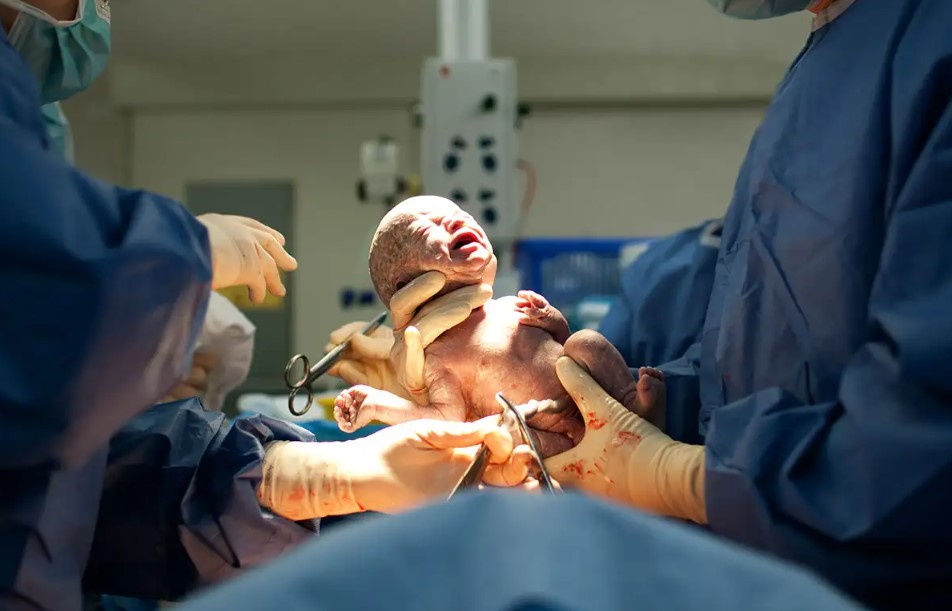
Кесарево сечение — это спасительная хирургическая процедура, выполняемая по медицинским показаниям. Во многих случаях она защищает мать и ребенка от серьезных осложнений. Однако растущие научные данные свидетельствуют о том, что рождение путем кесарева сечения может влиять на определенные аспекты здоровья ребенка в течение первого года жизни. Понимание этих потенциальных рисков помогает родителям и медицинским работникам принимать обоснованные решения и при необходимости применять профилактические стратегии.
- Изменение развития микробиоты кишечника
При естественных родах новорожденные контактируют с микробиотой влагалища и кишечника матери. Это естественное заселение играет важную роль в формировании иммунной и пищеварительной систем младенца.
Дети, рожденные путем кесарева сечения, вместо этого чаще колонизируются бактериями кожи и окружающей среды. Это различие в раннем микробном воздействии может:
- Задержать здоровое развитие микробиоты кишечника
- Повысить восприимчивость к расстройствам пищеварения
- Повлиять на созревание иммунной системы
Грудное вскармливание играет решающую роль в поддержании баланса микробиоты и снижении этих рисков.
- Повышенный риск респираторных проблем
Младенцы, рожденные путем кесарева сечения — особенно при плановых процедурах, проводимых до начала родов — могут иметь несколько более высокий риск развития:
- Транзиторного тахипноэ новорожденных (ТТН)
- Легкого респираторного дистресс-синдрома
- Повышенной потребности в краткосрочной кислородной поддержке
Во время вагинальных родов гормональные и механические процессы помогают вывести жидкость из легких ребенка. При кесаревом сечении этот механизм частично обходится.
- Более высокая частота аллергических состояний
Некоторые исследования указывают на умеренную связь между рождением путем кесарева сечения и повышенным риском возникновения:
- Пищевой аллергии
- Атопического дерматита (экземы)
- Астмы в более позднем детском возрасте
Это может быть связано с ранними различиями в микробиоте и измененным программированием иммунной системы в неонатальном периоде.
- Различия в развитии иммунной системы
Раннее микробное воздействие помогает обучать иммунную систему различать вредные и безвредные раздражители. Нарушения в этом процессе могут повлиять на развитие иммунной толерантности в младенчестве.
Хотя большинство детей, рожденных путем кесарева сечения, развиваются нормально, популяционные исследования показывают несколько более высокие показатели:
- Рецидивирующих респираторных инфекций
- Определенных иммуноопосредованных расстройств
Правильное питание и грудное вскармливание значительно снижают эти риски.
- Трудности с кормлением в первые дни
Родоразрешение путем кесарева сечения иногда может задерживать:
- Начало грудного вскармливания
- Контакт «кожа к коже»
- Раннее формирование связи между матерью и ребенком
Эти факторы могут влиять на характер кормления в первые недели жизни. Однако при поддержке лактации и раннем поощрении успешное грудное вскармливание абсолютно достижимо после кесарева сечения.
- Потенциальные долгосрочные метаболические связи
Исследования продолжают изучать возможные связи между родами путем кесарева сечения и:
- Более высоким индексом массы тела (ИМТ) в детском возрасте
- Повышенным метаболическим риском в более позднем возрасте
Эти ассоциации находятся под влиянием многих факторов окружающей среды и генетики, и их не следует рассматривать как прямую причинно-следственную связь.
Важная перспектива
Необходимо подчеркнуть, что кесарево сечение часто является медицински необходимым и спасающим жизнь решением. При наличии показаний его преимущества значительно перевешивают потенциальные риски. Цель состоит не в том, чтобы внушить страх, а в том, чтобы предоставить сбалансированную информацию.
Большинство детей, рожденных путем кесарева сечения, растут и развиваются совершенно нормально в течение первого года жизни и далее.
Как поддержать ребенка, рожденного путем кесарева сечения
Родители и медицинские работники могут предпринимать активные шаги для поддержки оптимального развития:
- Поощрять раннее и исключительно грудное вскармливание, когда это возможно
- Стимулировать контакт «кожа к коже»
- Обеспечивать правильное питание
- Контролировать траекторию роста
- Соблюдать рекомендованный график вакцинации
- Поддерживать здоровую микробиоту с помощью сбалансированного кормления